

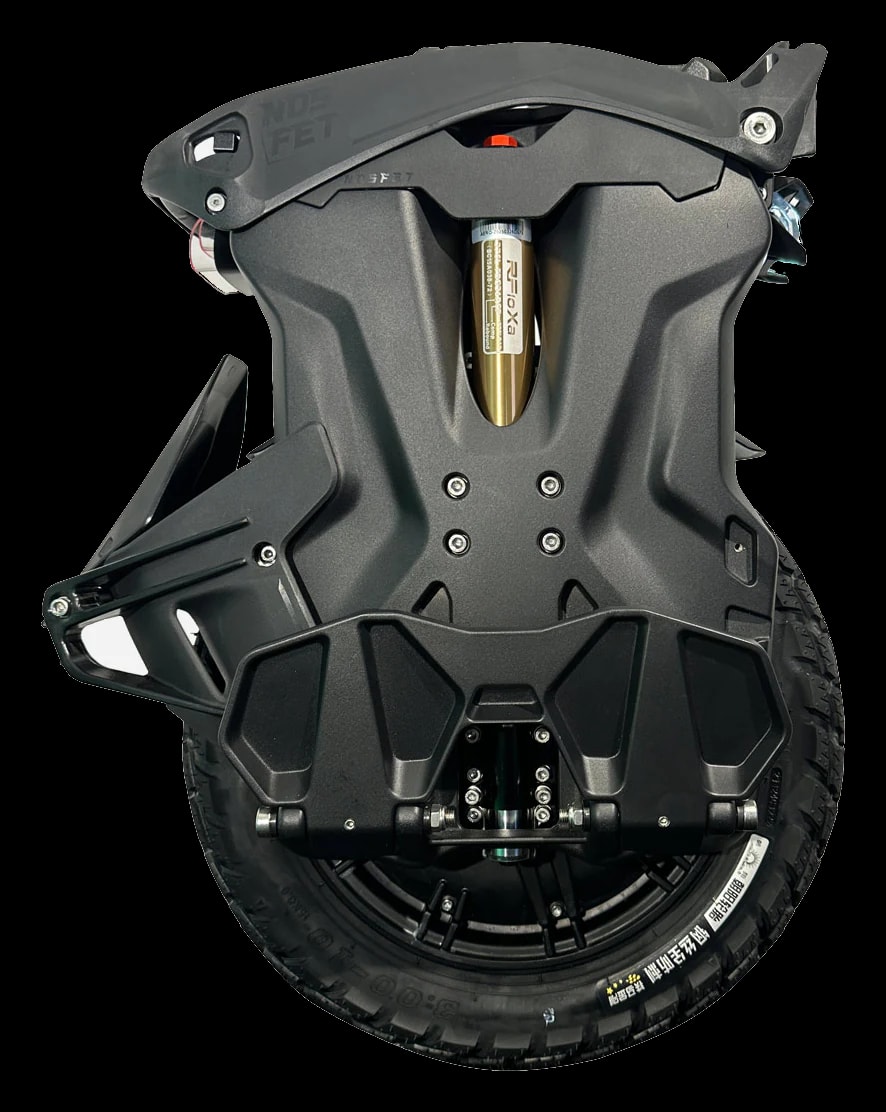
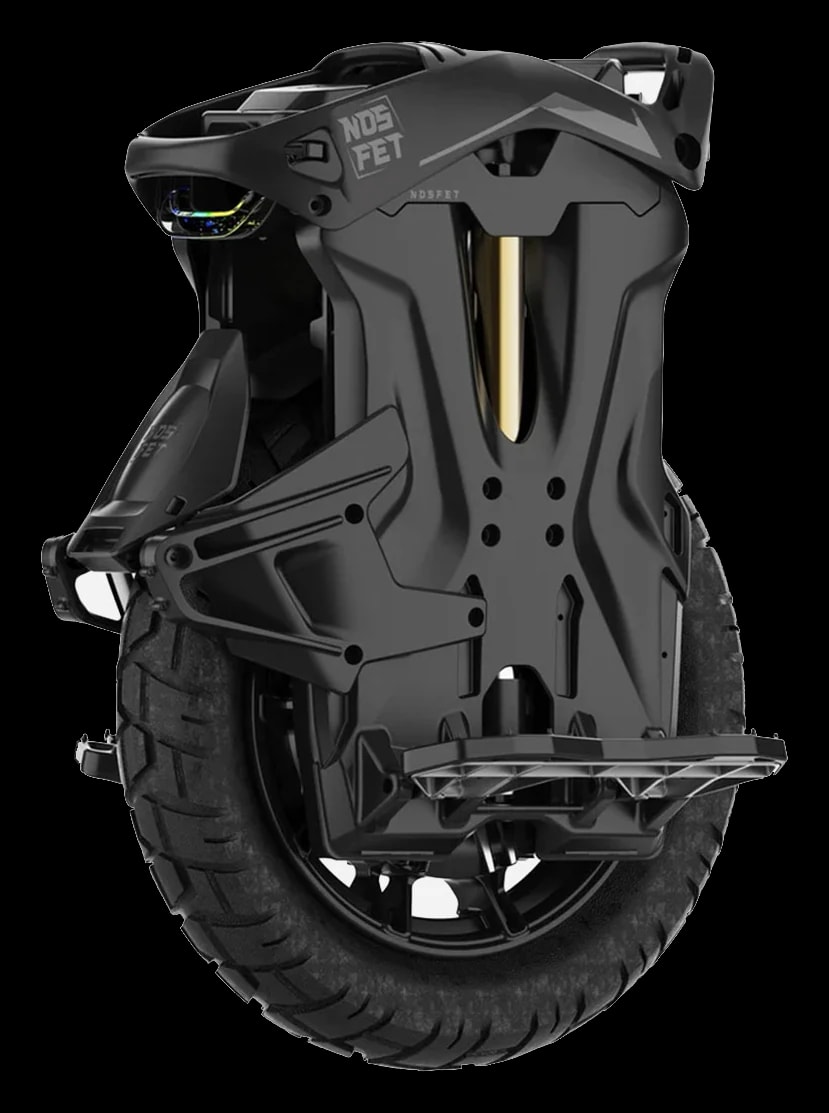
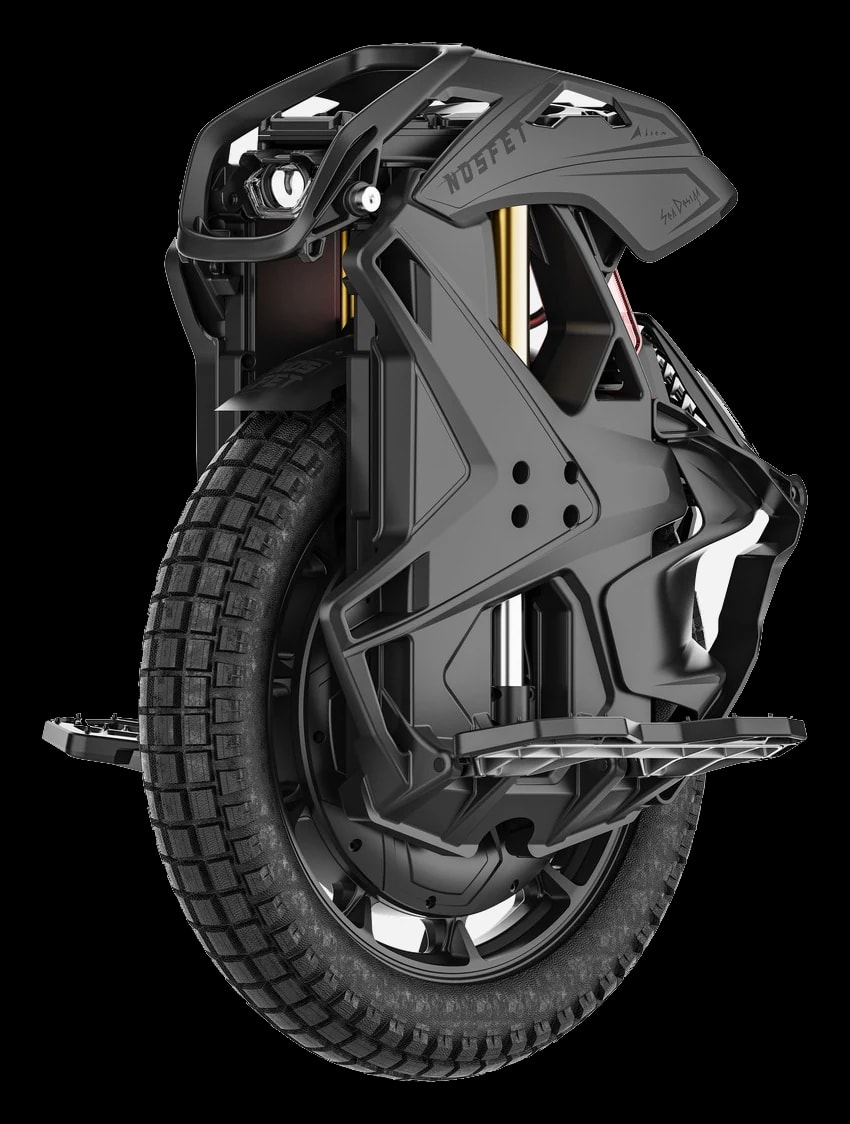
For years, the electric unicycle industry has followed a clear direction: more power, more battery capacity, more suspension travel and increasingly ambitious performance.
The result has been a new generation of extraordinarily capable machines. Modern EUCs can travel farther, climb steeper hills and maintain speeds that would have seemed impossible only a few years ago.
But every improvement has a cost — and that cost is often measured in kilograms.
As high-performance electric unicycles become heavier and more complex, a growing number of riders are asking a surprisingly simple question: what happened to the lightweight electric unicycle?
Recent community discussions suggest that interest in smaller and more manageable wheels is returning. Riders still appreciate performance, but many are beginning to question whether they need a machine designed for extreme speed when most of their journeys involve city streets, short commutes, public transport and several flights of stairs.
So, are lightweight EUCs genuinely making a comeback — or are riders simply becoming nostalgic for a category the industry has left behind?
How Electric Unicycles Became So Heavy
Early electric unicycles were relatively simple machines. They had modest batteries, smaller motors, limited protection and no suspension. Their range and speed were restricted, but they were easy to carry, store and integrate into everyday life.
Modern wheels are built around very different expectations. Today’s riders frequently ask for:
- Greater real-world range
- Higher cruising speeds
- More motor torque
- Larger batteries
- Long-travel suspension
- Stronger frames and protective structures
- Larger tyres
- Better lighting
- Improved water resistance
- Advanced electronics
- Greater safety margins
Each feature adds value, but it can also add weight.
A larger battery requires more cells and a stronger enclosure. Suspension adds rails, linkages, shock absorbers and structural reinforcement. Higher speeds require stronger components, more effective cooling and increased protection around the electronics.
None of this weight is accidental. In many cases, it is the direct result of making EUCs more capable and more durable. The problem begins when maximum capability becomes the default — even for riders who do not need it.
Performance Is Not the Same as Practicality
A powerful long-range EUC can be an incredible machine on an open road or trail. It can also become inconvenient when the ride ends.
The final part of an EUC journey may include:
- Carrying the wheel upstairs
- Lifting it into a car
- Taking it onto a train
- Passing through a narrow doorway
- Storing it in a small apartment
- Moving it through an office or shop
- Lifting it over a kerb or obstacle
- Continuing the journey after a technical issue
In those moments, battery capacity and peak motor power matter less than size and weight.
A wheel that performs brilliantly for 50 kilometres but is difficult to lift may not be the most practical choice for a five-kilometre urban commute.
Similarly, a rider who regularly combines an EUC with public transport may receive more everyday value from portability than from extreme range. This is why the definition of the “best EUC” depends entirely on the rider’s real use case.
Why Riders Are Looking at Smaller EUCs Again
The renewed interest in lightweight wheels does not mean that riders have stopped caring about performance. Instead, many are searching for a better balance.
1. Multimodal commuting
One of the strongest advantages of an electric unicycle is its ability to connect different forms of transport.
A compact commuter wheel can cover the distance between home and a railway station, travel on the train and complete the final part of the journey. For this type of use, portability is not an optional feature — it is central to the entire experience.
2. Apartment living
Not every rider has a garage, workshop or ground-floor storage area.
For someone living several floors above street level, the difference between a manageable wheel and a very heavy one can determine how often it is actually used. Even when a building has a lift, riders still need to consider entrance steps, narrow corridors and emergency situations.
3. Short urban journeys
Many everyday journeys do not require an enormous battery.
If a rider’s regular trip is relatively short, carrying unused battery capacity every day may not be the ideal compromise. A smaller wheel can be easier to manoeuvre, park and store while still providing sufficient range for the intended journey.
4. Learning and accessibility
Weight affects the learning experience.
A lighter wheel is generally easier to reposition, catch and control at walking speed. It can feel less intimidating when practising starts, stops and tight turns. Weight is not the only factor that determines whether an EUC is beginner-friendly, but it is certainly an important one.
5. The desire for simplicity
As EUCs become more advanced, some riders are becoming interested in simpler ownership. They want a dependable wheel that is easy to transport, maintain and use — not necessarily one with the highest voltage or the longest specification sheet.
What Does “Lightweight” Actually Mean?
There is no universal weight limit that separates a lightweight EUC from a heavy one.
The category has changed as the market has evolved. A wheel considered heavy several years ago might now appear moderate beside the largest current machines. It may therefore be more useful to think in practical categories:
- Portable: can be carried upstairs without turning the task into a workout
- Commuter-friendly: easy to take through public transport, shops and offices
- Compact: requires limited storage space and is manageable in crowded environments
- Performance-oriented: prioritises speed, range and stability over portability
- Adventure-focused: designed for long-distance or off-road riding, where additional weight may be justified
A rider’s physical condition also matters. The same wheel can feel manageable to one person and completely impractical to another.
Published weight should never be treated as an abstract specification. Before buying, consider where and how often you will actually need to lift the wheel.
The Features a Modern Lightweight EUC Still Needs
Demand for smaller wheels does not mean riders want to return to outdated technology. A successful modern lightweight EUC would still need to offer an appropriate level of safety, reliability and everyday usability.
Community expectations are likely to include:
- A realistic safety margin at normal commuting speeds
- Dependable battery cells and battery management
- Clear audible and visual warnings
- Practical water resistance
- Strong pedals and a secure trolley handle
- Effective front and rear lighting
- Easy tyre access and sensible serviceability
- A durable shell that can survive everyday use
- A balanced design that remains comfortable to lift
- Enough range for genuine urban commuting
Suspension presents one of the most difficult design decisions. It can improve comfort and control, especially on damaged streets, but it also adds weight, height and mechanical complexity. Manufacturers therefore face an important question: should a compact urban wheel include short, lightweight suspension, or would many riders prefer a simpler non-suspension model?
There may be room for both.
Small Does Not Automatically Mean Beginner-Friendly
It is tempting to assume that every small EUC is suitable for a first-time rider. That is not necessarily true.
Wheel diameter, pedal height, body shape, power delivery and firmware behaviour can all influence stability and control. A compact wheel with aggressive acceleration may be less forgiving than a slightly larger model with predictable handling.
New riders should evaluate the complete package:
- Stability at low speed
- Pedal comfort
- Power delivery
- Warning behaviour
- Trolley-handle design
- Protection for the wheel and for the rider
- Availability of replacement parts
- Local service and warranty support
A lightweight EUC can be an excellent learning platform, but only if its design and performance are appropriate for the rider.
Can Lightweight Wheels Compete With Modern Performance Models?
Probably not in every category — and they do not need to.
A compact commuter should not be judged against a long-range performance wheel using only battery capacity, maximum speed or suspension travel. They are tools designed for different jobs. The more useful comparison is whether each wheel achieves its intended purpose.
A large performance EUC may be the right choice for
- High-speed cruising
- Long-distance touring
- Demanding off-road riding
- Riders who prioritise stability and range
- Journeys where the wheel rarely needs to be lifted
A lightweight EUC may be better for
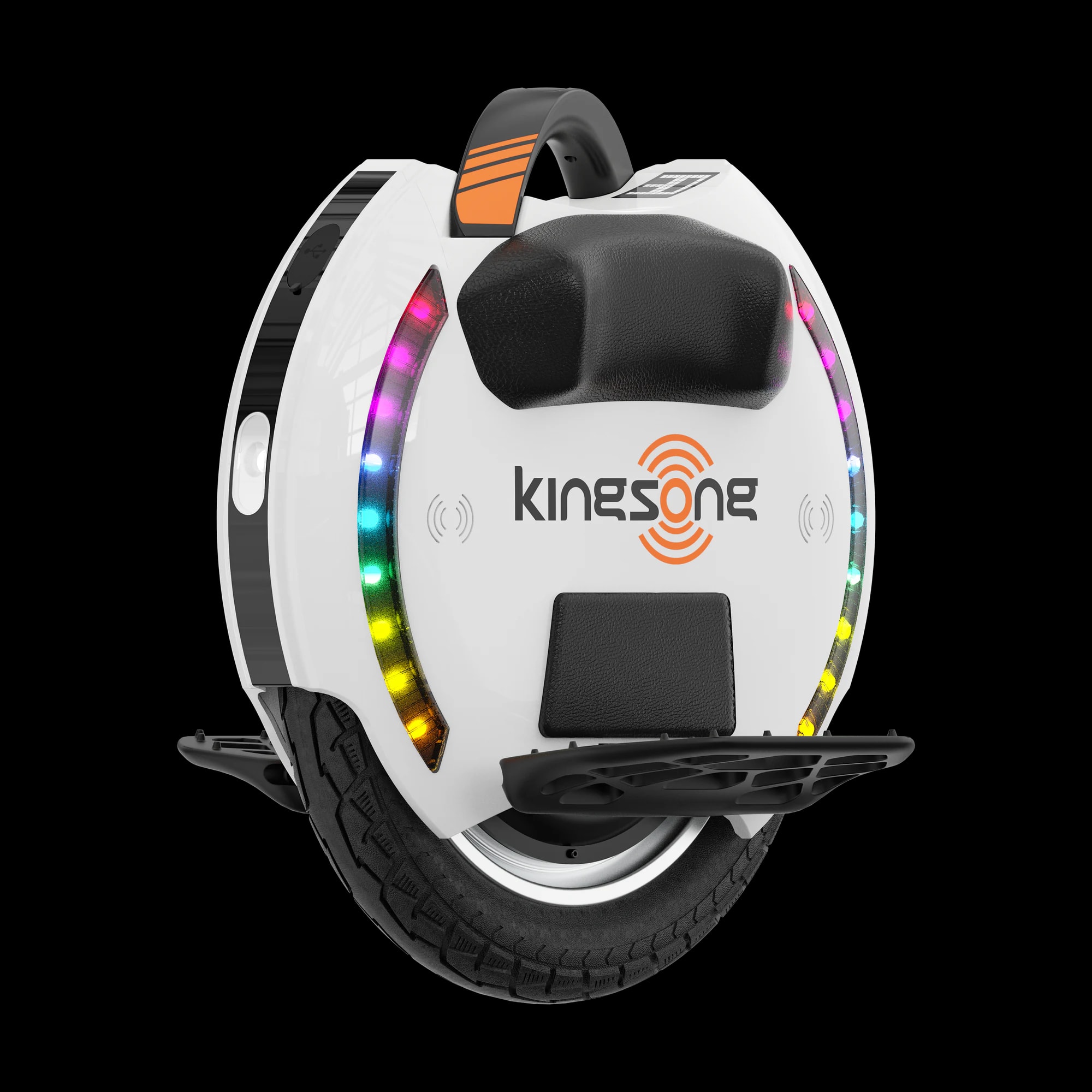
- Short and medium urban journeys
- Public-transport connections
- Frequent stairways
- Apartment or office storage
- New riders
- Secondary-wheel ownership
- Everyday errands
Many experienced riders eventually discover that one EUC cannot be perfect for every situation. A large wheel may handle weekend adventures, while a smaller wheel becomes the practical choice for daily journeys.
In that sense, the lightweight EUC may not replace the performance wheel. It may complement it.
Are Manufacturers Ready to Go Smaller?
The community interest appears to be real, but designing a commercially successful lightweight EUC will not be easy.
Customers now expect higher levels of safety, build quality and performance than they did in the early days of the industry. Manufacturers cannot simply reduce battery capacity and reuse an old design. The challenge is to remove unnecessary weight without compromising the components that matter.
A successful new-generation lightweight wheel would need to be intentionally designed around portability from the beginning. Its frame, battery, motor, controller, cooling and outer structure would all need to work together as a compact system.
The goal should not be to build a weaker version of a large performance EUC. The goal should be to build the best possible urban EUC.
The Verdict: A Comeback Is Possible
Lightweight electric unicycles have not yet taken over the market, but the demand for them is becoming increasingly difficult to ignore.
The performance race has produced remarkable machines, yet it has also created a gap between entry-level wheels and heavy high-performance models. Many riders are looking for something in the middle: modern, dependable and capable, but still easy to live with.
The next major innovation in electric unicycles may not be another increase in voltage, speed or battery size. It may be a wheel that delivers exactly the performance most riders need — and nothing they have to carry unnecessarily.
What Would Your Ideal Lightweight EUC Look Like?
Would you prefer:
- A very light wheel without suspension?
- A slightly heavier model with short-travel suspension?
- Maximum portability or additional range?
- A compact urban commuter or a small all-terrain EUC?
Share your ideal weight, battery capacity, wheel size and features in the comments. The manufacturers may be listening.
Looking for your next electric unicycle?
Explore the latest electric unicycles, compare commuter, compact and flagship categories, and contact the MyEWheel team for advice based on your experience, daily distance and riding environment.

Comments
No comments yet. Be the first to say something.
Please sign in to leave a comment.